
News & Articles
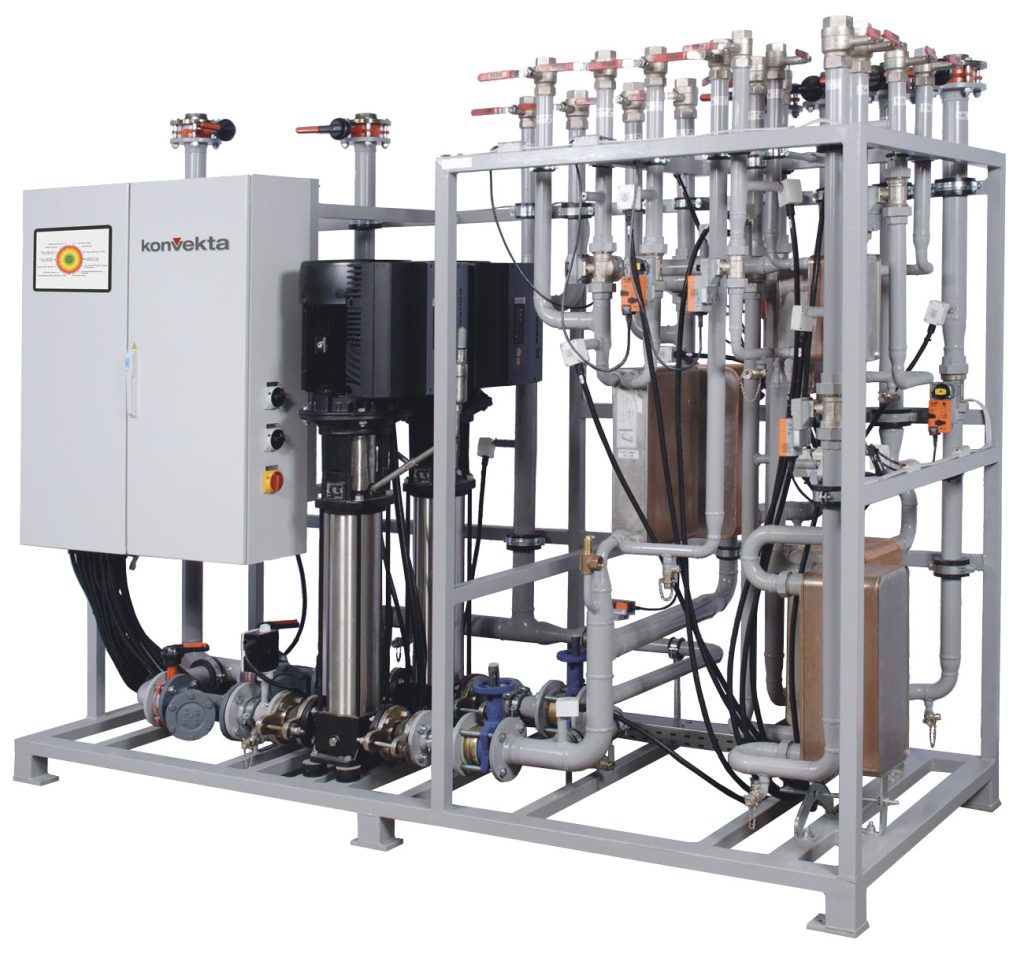
Climate Technologies Welcomes Konvekta as a New Partner
Climate Technologies is pleased to announce our new partnership with Konvekta, a global leader in high-performance energy recovery technology for ventilation and air conditioning systems. Konvekta’s closed-loop systems can extract energy from the exhaust air, either as heat or cooling, and return it to the supply air with industry-leading efficiency. The company’s heat exchangers are
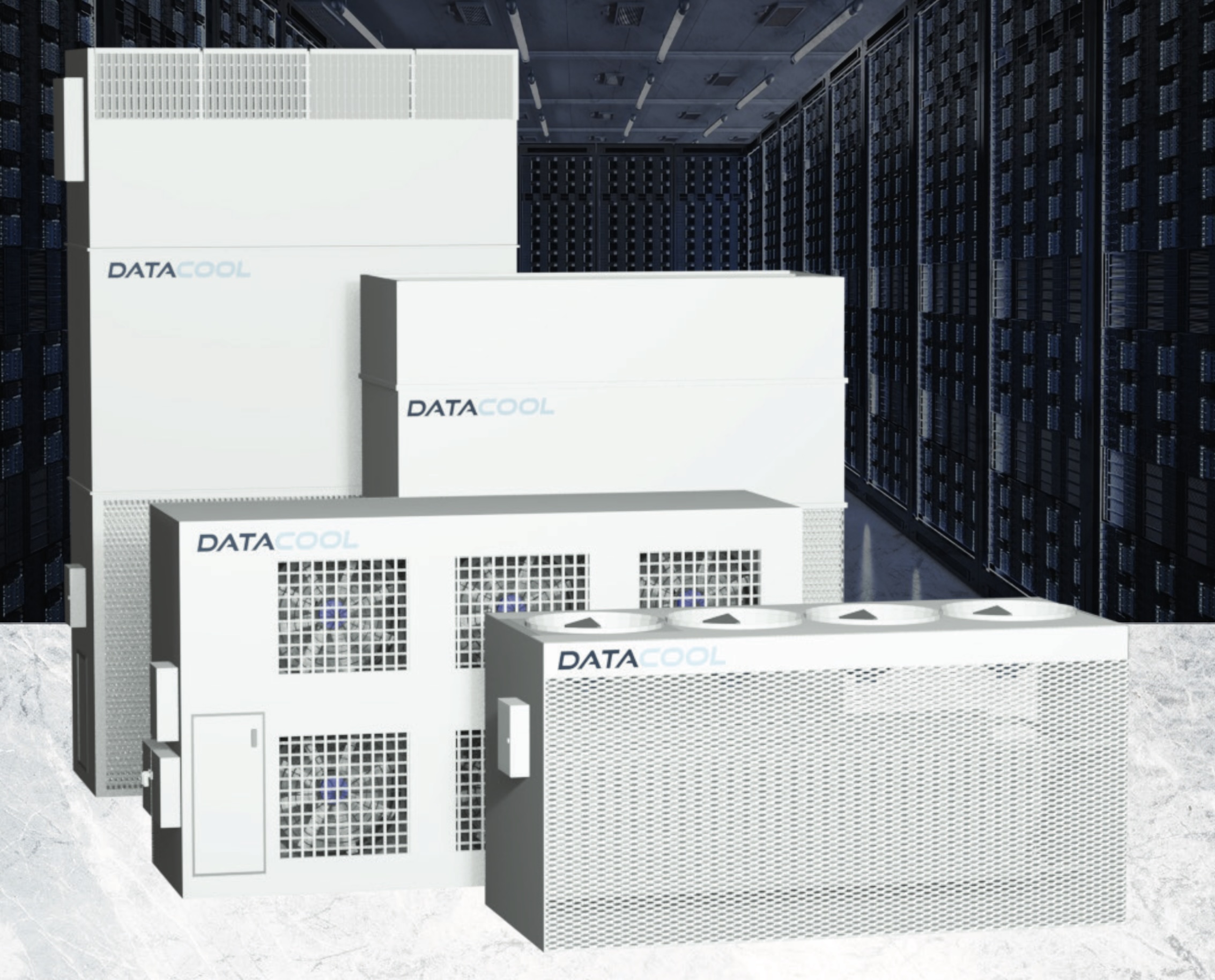
Avoid Data Center Cooling Bottlenecks with the Latest Solutions From MarCraft and VTS
Data center construction is rapidly evolving thanks to AI growth, high-density server racks, and cloud computing demands. The evolution is transforming data center cooling needs as server racks are taller and thermal loads are heavier than ever before, requiring immense cooling infrastructure. Thankfully, manufacturers are developing new technologies and approaches to meet the need, while

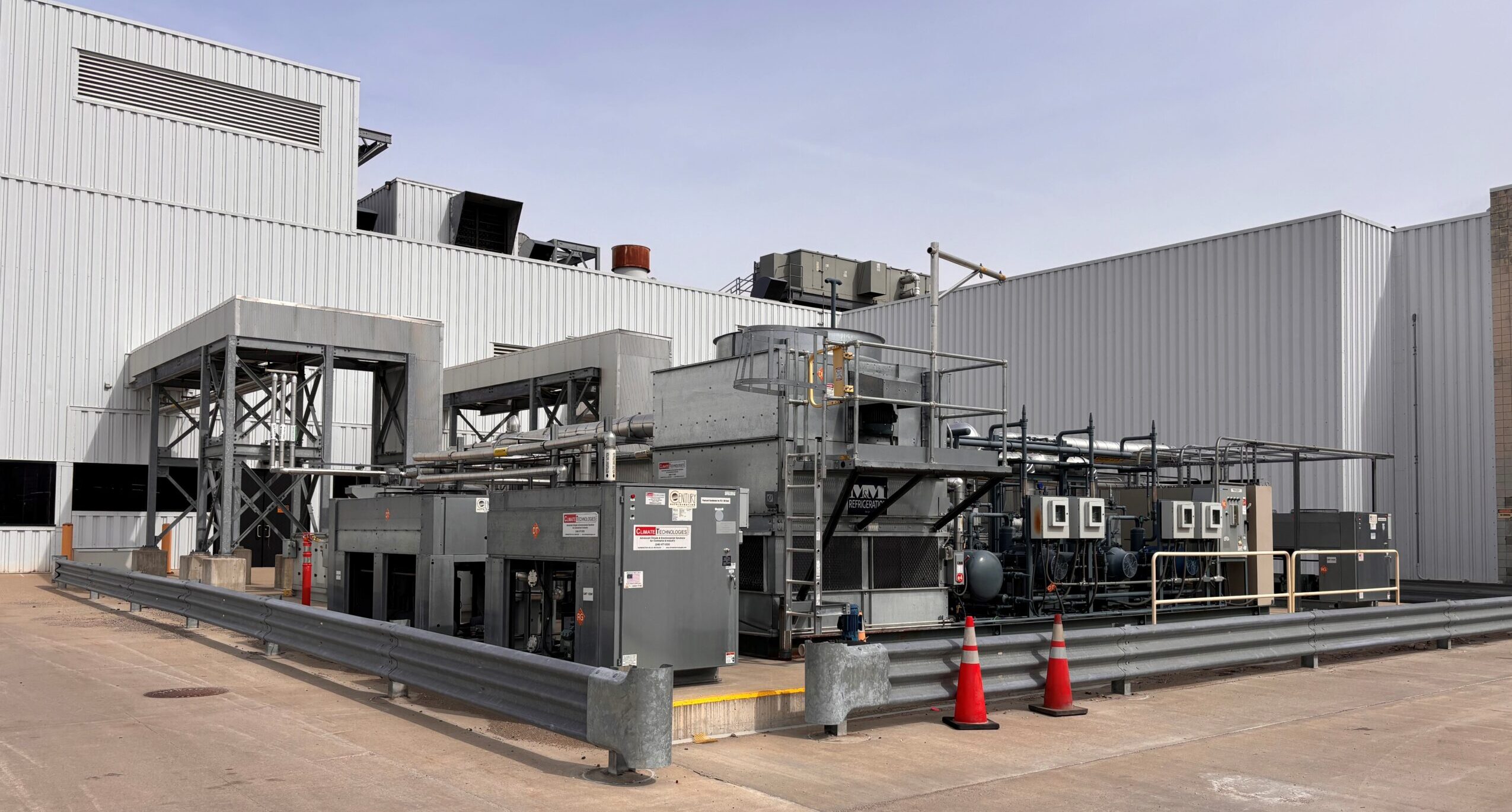
What is a Factory-Built Central Utility Plant and When Does It Make Sense?
A trend we see in industrial construction is an increasing desire for factory-built Central Utility Plants (CUPs). Often referred to as “modular” or “Off-Site Construction”, factory-built systems are manufactured and constructed in large, indoor facilities, designed in modular components that are then shipped to the project site for installation and commissioning. Factory-built systems offer significant
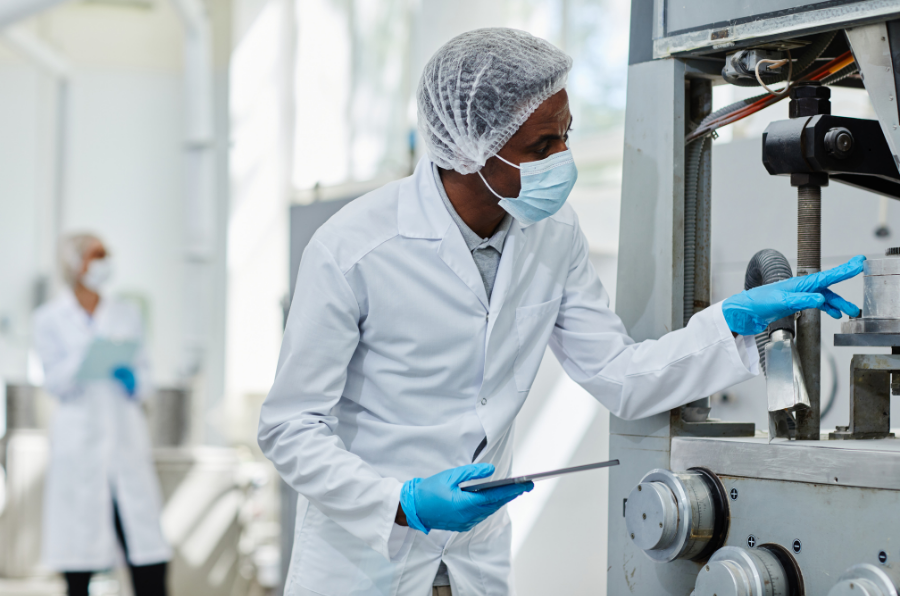
Air Quality Matters: Protecting Employees and Products
In today’s highly controlled industrial environments, air quality is a critical component of safety and product integrity. At Climate Technologies, we work with clients across demanding industries, including large-scale automotive paint facilities, pharmaceutical clean rooms, food processing operations, and historic preservation projects, where proper ventilation, temperature control, and humidity management are essential. Even the smallest

Think Dehumidification Is a Summer Problem? Now’s the Time to Plan.
Most people think about humidity issues during the dog days of summer with sticky air, condensation, product quality concerns, and systems struggling to keep up.Unfortunately, by the time humidity becomes a problem, it’s already too late to react efficiently. Now (before summer arrives) is the time to think about dehumidification. Why Planning Ahead MattersHumidity control
New Year, Smarter Systems: Planning for 2026
A new year is an opportunity to step back, evaluate what’s working, and plan smarter for what’s ahead. Facility owners and operators are facing increasing pressure to improve efficiency, control costs, and future-proof their mechanical systems. The most successful organizations aren’t just reacting to issues as they arise. They’re planning ahead. Look at the Big
Open Letter from Walt Zimmerman
Dear Partners and Friends, As you’ll see in today’s announcement, Climate Technologies is entering an exciting new chapter of leadership. After many years at the helm, I will transition into a new role in Business Development, while Jared Dipzinski and Max Sitek assume expanded leadership and ownership responsibilities. Rather than repeating what’s already included in
Climate Technologies Announces Leadership and Ownership Transition to Jared Dipzinski and Max Sitek; CEO Walt Zimmerman Moves Into Business Development
Climate Technologies today announced a planned leadership and ownership transition that positions the company for continued growth and technical excellence. Jared Dipzinski and Max Sitek will assume ownership and expanded leadership responsibilities, effective December 18, 2025 while long-time CEO Walt Zimmerman shifts to a new Business Development role. This transition ensures stability and preserves the
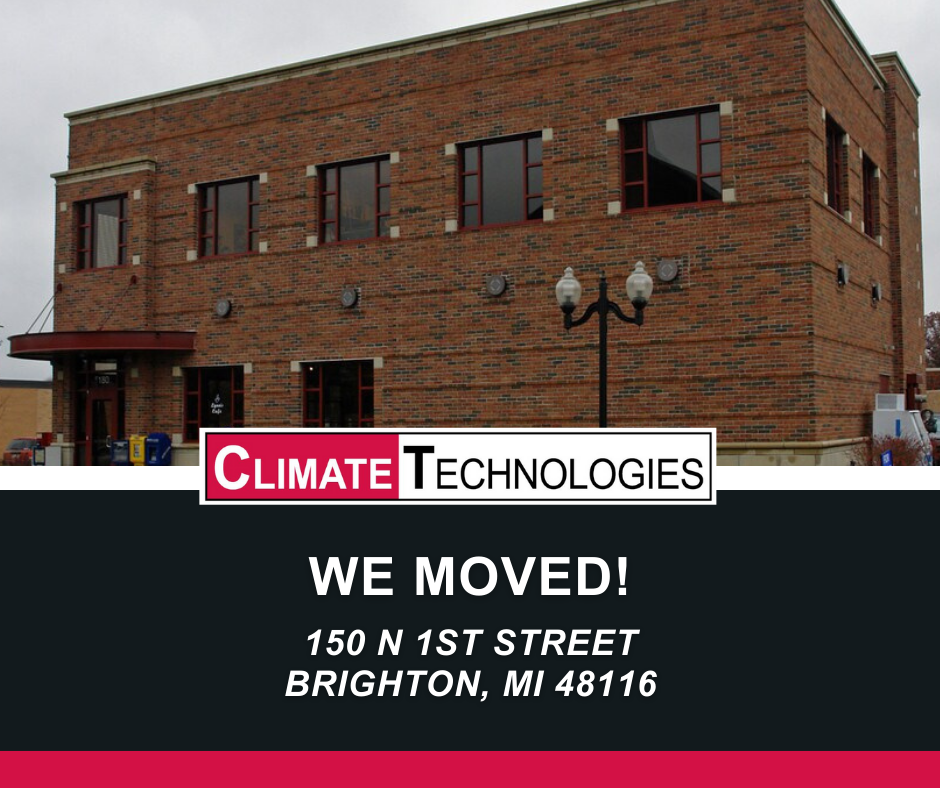
We’ve Moved! Visit Us at Our New Brighton Office.
Climate Technologies is excited to share some big news: We’ve officially moved into our new home at 150 N 1st Street, Brighton, MI 48116. This move marks another milestone in our continued growth as we expand our capabilities in industrial heating and cooling, humidity control, environmental air systems, and factory-built central utility plants. Our new

Recover More. Waste Less. Save Big on Energy.
High-temperature industrial processes can generate significant waste heat, and wasted energy means higher costs. Climate Technologies provides advanced heat recovery solutions that capture this energy and put it back to work. Our systems can recover a substantial portion of process heat, which can then be reused for process air, combustion preheat, or even building heating,

Planning Ahead: Why Now Is the Time to Think About Next Summer’s Dehumidification Needs
As temperatures drop and heating season begins, it’s easy to shift your focus away from cooling and dehumidification. But at Climate Technologies, we know that now (not next spring) is the best time to start preparing for next summer’s conditions. Dehumidification equipment often comes with longer lead times, especially for customized or high-capacity systems. Proactive
Climate Technologies Welcomes MarCraft as a New Partner
Climate Technologies is excited to announce our new partnership with MarCraft, a leader in fully custom HVAC systems with a reputation for engineering excellence. MarCraft Custom HVAC Systems are designed for projects that demand precision and performance, including automotive, laboratories, hospitals, data centers, food and beverage processing facilities, and more. Their modular, fully custom systems